
Violence in a Hospital: Patient Used Doctor as a Shield and Smashed Through Doors
Security Analysis
Aggression in the Emergency Department: Why Hospitals Need Clear Security Procedures
SIHASO · Healthcare Facility Security
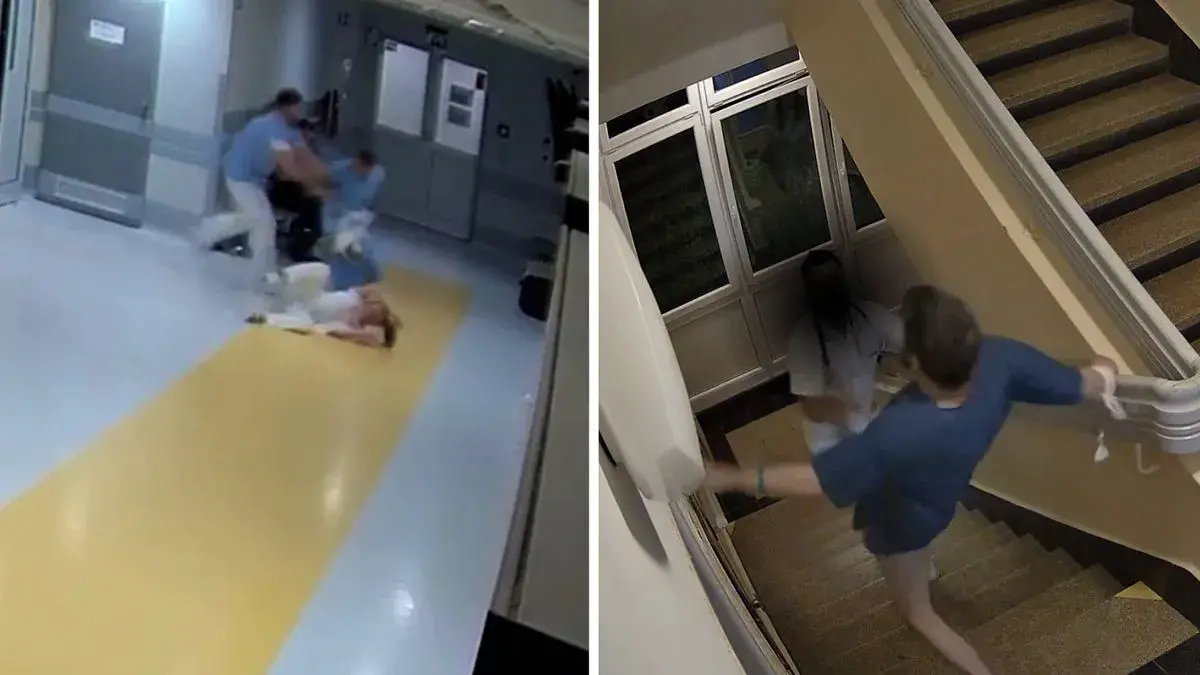
A serious incident occurred at University Hospital Plzeň when an aggressive patient attacked staff in the emergency department. According to available reports, the individual used a physician as a human shield and forced his way through a door into another part of the hospital. During the incident, he physically endangered the doctor and allegedly shouted that he had a grenade and would “shoot everyone.”
The incident was recorded and later shared on social media, attracting significant public and media attention. Two additional incidents reportedly occurred at the same hospital, including an assault in which a nurse was knocked down a staircase and another case involving damage to equipment in a waiting area.
“The emergency department is one of the highest-risk areas within a hospital. Security depends not only on the presence of security personnel, but also on prepared procedures, effective zoning, and a rapid, coordinated response.” SIHASO
According to hospital management, aggression toward healthcare workers is becoming increasingly common, both verbally and physically. In addition to providing medical care, healthcare teams must therefore work under the pressure of fear and the risk of assault during routine shifts.
What Weaknesses Do Incidents Like This Reveal?
- Insufficient control of distressed or aggressive individuals – emergency departments bring together people experiencing pain, stress, intoxication, or the effects of other substances. Without a mechanism for identifying high-risk behavior early, an aggressive person may gain direct access to the busiest and most vulnerable areas of the hospital.
- Inadequate physical separation and protective barriers – open-plan emergency departments allow people to move rapidly through the space and increase the risk of direct contact between an aggressive individual, staff members, and other patients.
- Delayed or unclear immediate response – during critical incidents, seconds matter. If procedures, responsibilities, and rapid alert mechanisms are not clearly defined, avoidable delays may place both staff and patients at greater risk.
How Can Similar Incidents Be Prevented?
- Environmental risk assessment – regular assessments of emergency departments, outpatient clinics, urgent care units, and other critical areas help identify locations and situations with the highest potential for conflict.
- Physical protective measures – separate entrances, controlled zones, rapid lockdown capabilities, and protective barriers can significantly reduce the risk of direct harm to healthcare personnel.
- Specialized staff training – healthcare teams need to know how to recognize warning signs, safely de-escalate conflict, and coordinate their response with security personnel or law enforcement.
- Early-warning systems – silent alarms, actively monitored CCTV, and internal alert mechanisms shorten response times and allow security teams to intervene quickly.
The full article about the incident is available on Novinky.cz.
Read the Full Article on Novinky.cz →