
Shooting in Chřibská: A Small Town, A Serious Security Lesson
Security Analysis
The Chřibská Shooting Showed That Security Is Not Determined by the Size of a Community
SIHASO · Security for Municipalities and Public Institutions
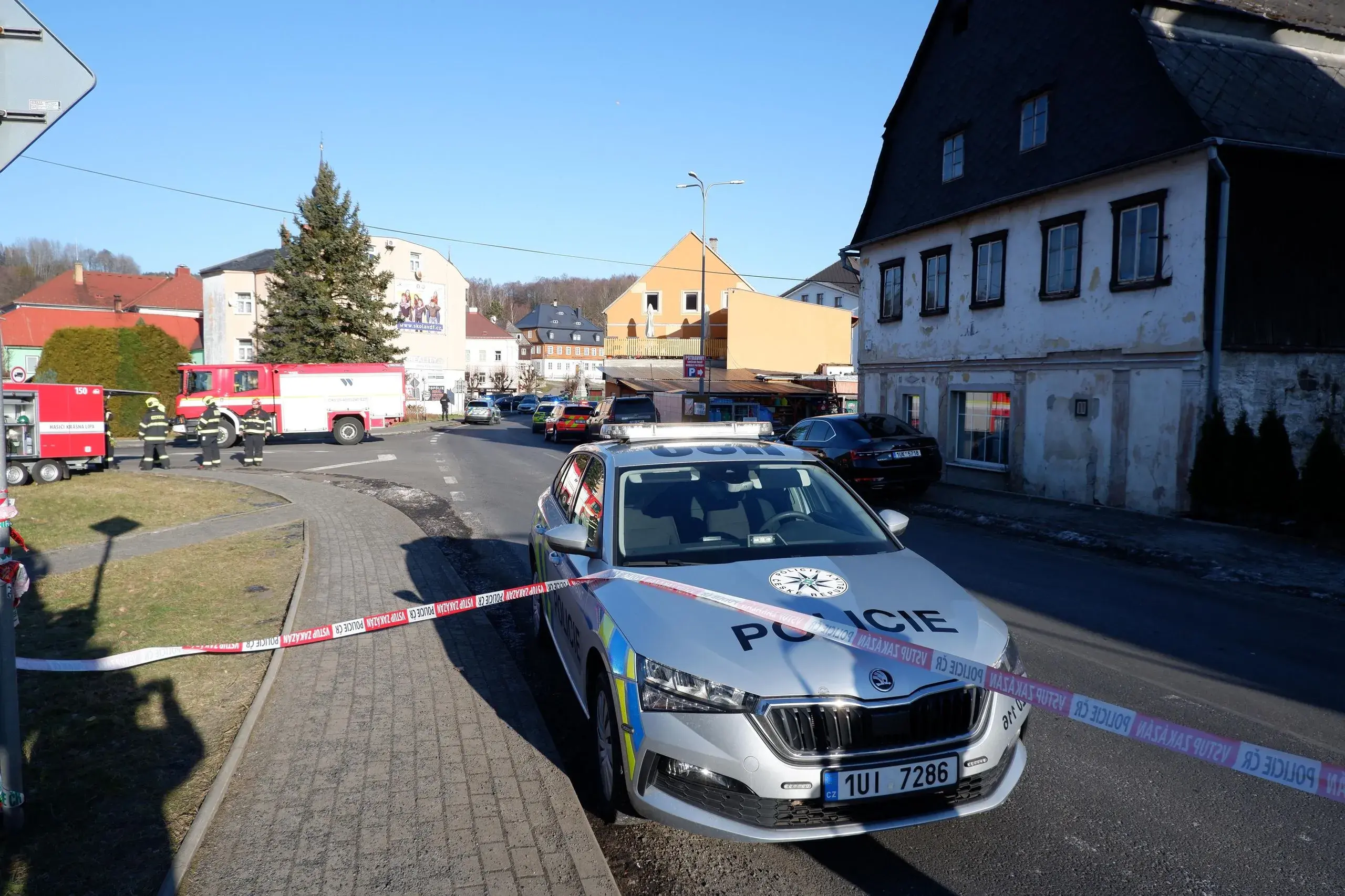
The events in the municipality of Chřibská in the Děčín region once again demonstrated that serious security incidents can occur even in places long considered peaceful and safe. According to police, the shooting was linked to relationship-related conflict. The perpetrator possessed the firearms illegally and did not hold a firearms licence.
Although the motive was connected to personal circumstances, the case reopened the broader question of how well smaller municipalities are prepared for critical incidents. These communities often lack formally established security procedures, crisis scenarios, and regular training for employees of public institutions.
“Security risk is not determined by the size of a town. What matters is the preparedness of its people, processes, and institutions.” SIHASO
What Weaknesses Do Incidents Like This Reveal?
- A false sense of security – smaller towns and municipalities often assume that serious security incidents occur only in major cities. This assumption can lead to prevention being underestimated.
- Missing crisis scenarios – many local authorities do not have prepared procedures for incidents involving firearms, an armed individual, or another serious security threat.
- Insufficient crisis communication – speculation and unverified information spread quickly during incidents of this kind. Without a prepared communication plan, information chaos can develop.
- Unprepared public institutions – schools, municipal offices, and healthcare facilities often lack regularly tested security procedures and personnel trained to manage crisis situations.
What Does This Mean for Municipalities and Public Institutions?
The size of a municipality does not determine its level of security. What matters is its degree of preparedness and the ability of local organizations to respond effectively to critical incidents.
The basic measures that should be standard even in smaller communities include:
- developing a straightforward crisis response plan for violent incidents,
- clearly defining responsibilities among municipal leadership, schools, and other institutions,
- establishing effective crisis communication with local residents,
- providing regular training for employees of public institutions,
- testing response procedures and cooperation with police, fire, and emergency medical services.
Practical experience shows that improving security does not necessarily require major financial investment. In many cases, the most important steps are establishing effective processes, defining clear responsibilities, and regularly exercising crisis scenarios.
Key Takeaway
The incident in Chřibská demonstrates that security risks are not determined by the size of a town or the number of its residents. The decisive factor is the preparedness of the system. Municipalities with basic crisis procedures, clearly defined responsibilities, and regularly trained personnel are significantly better equipped to manage critical incidents and minimize their consequences.
The full report on this incident is available from Seznam Zprávy.
Read the Full Article on Seznam Zprávy →
“Four Shots in a Row. Then He Rushed Inside.” Chřibská Is Recovering from the Shooting