
The Louvre Had Its Camera System Protected by a Nearly Trivial Password. Even Top Institutions Can Have Weaknesses
Security Insight
Louvre měl heslo „Louvre“. Proč technologie sama nestačí?
SIHASO · Kybernetická a technologická bezpečnost
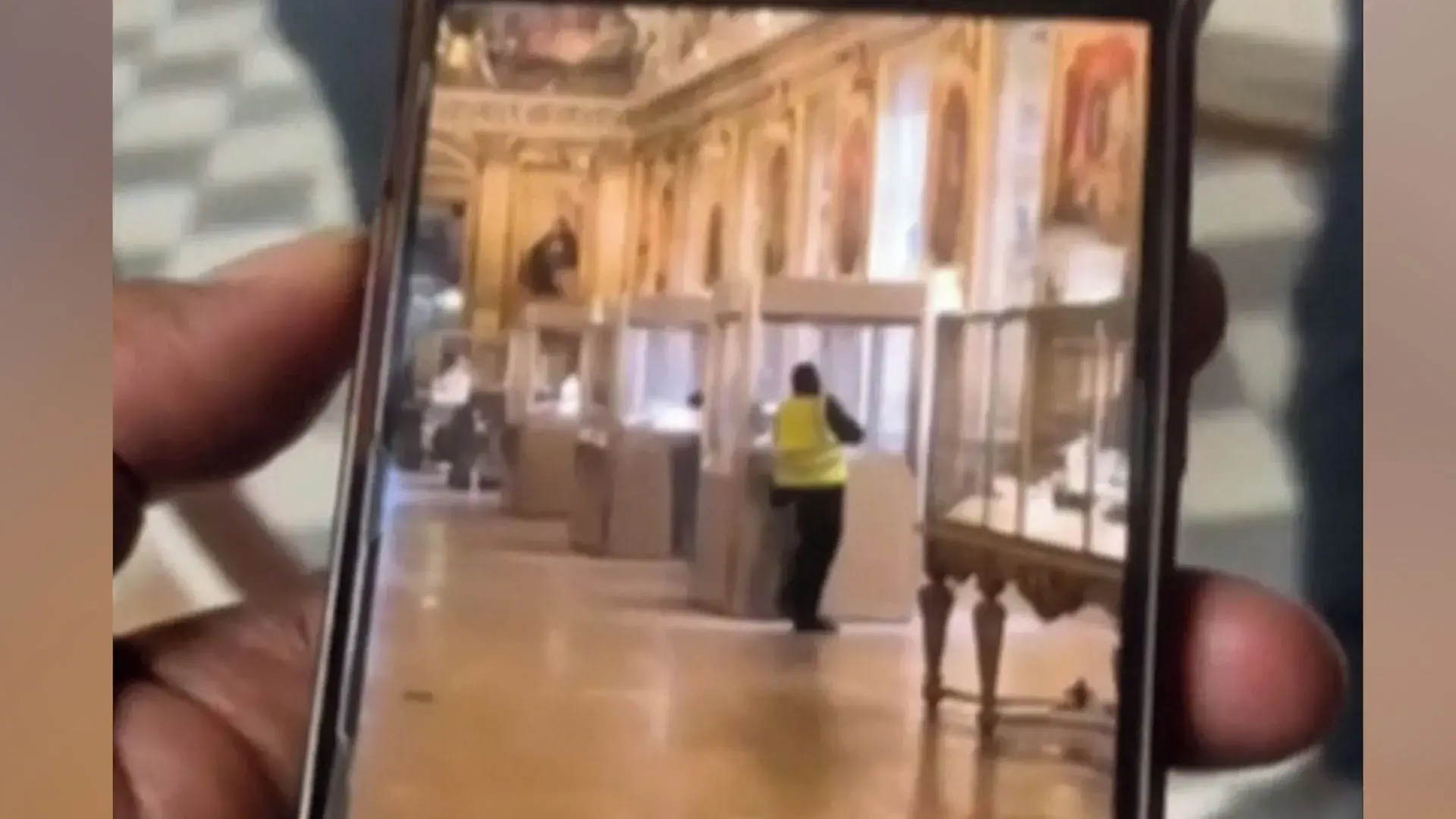
Když se řekne Louvre, většina lidí si představí jedno z nejznámějších a nejlépe střežených muzeí na světě. Přesto právě zde vyšlo najevo, že kamerový bezpečnostní systém byl chráněn heslem „Louvre“.
Přestože nebylo potvrzeno, že by došlo ke skutečnému zneužití systému, případ ukazuje jednu z nejčastějších chyb v oblasti bezpečnosti: ani špičková technologie nezaručuje ochranu, pokud není správně nastavena, spravována a pravidelně kontrolována.
Nejslabším článkem bezpečnostního systému často nebývá samotná technologie, ale její konfigurace, správa přístupů a absence pravidelných kontrol.
Co nám tento případ ukazuje
Jednoduchá a snadno odhadnutelná hesla patří dlouhodobě mezi základní bezpečnostní slabiny. Přesto se s nimi audity stále setkávají, a to nejen u malých organizací, ale i u institucí, které pracují s citlivými prostory, návštěvnickým provozem nebo kritickými bezpečnostními technologiemi.
Problém přitom nespočívá pouze v samotném kamerovém systému. Slabinou bývá způsob jeho konfigurace, správa uživatelských účtů, absence vícefaktorového ověřování nebo nedostatečné oddělení zařízení od zbytku sítě. Útočník často nemusí překonávat složité zabezpečení — stačí mu využít základní administrátorskou chybu.
Kamerové a dohledové systémy dnes nejsou pouze fyzickým bezpečnostním prvkem. Jsou součástí IT infrastruktury organizace. Pokud nejsou chráněny stejně důsledně jako servery, pracovní stanice nebo přístupové systémy, mohou se samy stát vstupní branou k bezpečnostnímu incidentu.
Co by mělo být standardem:
Silná a unikátní hesla. Výchozí, jednoduchá nebo opakovaně používaná hesla představují jedno z největších rizik.
Vícefaktorové ověřování. Přístup k bezpečnostním technologiím by neměl záviset pouze na znalosti jednoho hesla.
Segmentace sítě. Kamerové systémy, servery a další bezpečnostní technologie by neměly být volně dostupné z veřejné sítě ani z běžné kancelářské infrastruktury.
Pravidelné audity konfigurace. Nastavení zařízení je potřeba pravidelně kontrolovat, testovat a aktualizovat.
Monitoring přístupů. Přihlašovací události, neobvyklé pokusy o přístup a změny konfigurace musí být sledovány a vyhodnocovány.
Poučení pro organizace
Případ Louvre ukazuje, že i velké a renomované instituce mohou selhat na základní úrovni kybernetické i fyzické bezpečnosti. Technologie sama o sobě nestačí. Rozhodující je způsob její správy, pravidelné testování a jasně nastavená odpovědnost.
Prevence bývá často jednodušší a levnější než řešení následků narušení provozu, ztráty dat nebo poškození reputace. Organizace by proto měly prověřovat nejen to, zda bezpečnostní technologie mají, ale také zda skutečně fungují tak, jak mají.
Přečíst článek na Novinky.cz →
Prověřte svůj bezpečnostní systém dříve, než jej prověří útočník
SIHASO provádí bezpečnostní audity fyzických i technologických systémů, kontrolu konfigurace zařízení, analýzu kybernetických rizik a návrh ochranných opatření. Cílem není pouze ověřit existenci bezpečnostních technologií, ale především zjistit, zda jsou správně nastavené a připravené obstát při skutečném incidentu.
Louvre svůj kamerový systém zabezpečil heslem „Louvre“