
The arson attack in Pardubice shows a new trend: pressure, information and intimidation
Security Analysis
The Pardubice Arson Attack Highlights an Emerging Security Threat
SIHASO · Security Risk Analysis
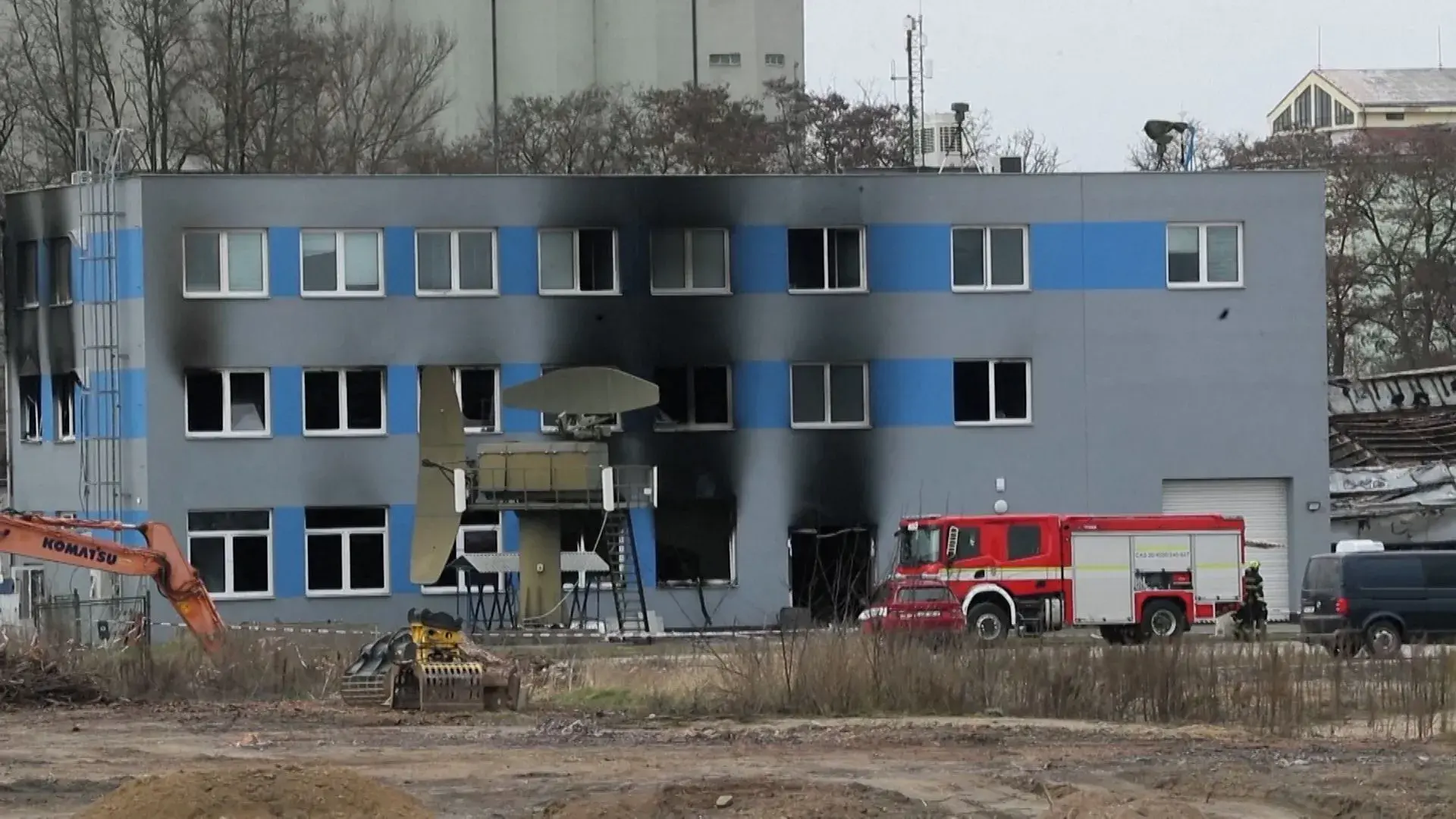
The circumstances surrounding the arson attack in Pardubice and the subsequent release of internal documents illustrate how some groups are increasingly attempting to advance their objectives. Incidents of this kind can no longer be regarded as isolated events. They are increasingly combining physical attacks, information operations, and psychological pressure.
In this particular case, the perpetrators not only deliberately set fire to an industrial facility, but later published internal company materials and openly threatened other organizations. The apparent objective was not merely to cause physical damage, but to exert pressure on the company itself, a wider group of businesses, and the public.
“Modern security threats increasingly combine physical attacks with information operations. The true target is often not only property, but also trust, reputation, and psychological impact.” SIHASO
This combination of a physical incident followed by a media or information campaign is a trend increasingly monitored by security professionals. The attack is therefore not intended solely to cause immediate damage to a facility, but also to serve as a tool for advancing ideological or political objectives through intimidation and public pressure.
What This Case Reveals
- The radicalization of smaller groups – attacks are increasingly carried out by small, difficult-to-identify cells inspired by incidents abroad and operating through decentralized structures.
- The convergence of physical and information attacks – the objective is not only to cause damage, but also to undermine an organization’s reputation, generate media pressure, and destabilize its operations.
- The misuse of internal information – even non-public technical or operational documents can be used as instruments of coercion, despite not being classified material.
- Escalating demands – perpetrators issue ultimatums and attempt to force organizations into taking specific actions through intimidation.
Differing views and political or ideological positions are increasingly being advanced through radical means. This development represents a significant challenge for both private companies and public institutions and must be considered when designing protective measures.
Security Today Means More Than Protecting a Facility
Modern security cannot be understood solely as the physical protection of buildings. Equally important is the ability to:
- prevent incidents through risk assessment, access control, and information protection,
- identify emerging threats at an early stage through monitoring and intelligence analysis,
- manage a crisis through clearly defined procedures, communication, and coordination,
- minimize the operational, reputational, and legal consequences of an incident.
It is equally important to prevent violence or coercion from becoming an effective means of advancing demands. If organizations were to give in to pressure of this kind, it could create a dangerous precedent and encourage other groups to adopt similar tactics.
A firm response, clearly defined crisis procedures, and a systematic approach to security are therefore critical in determining whether an organization can manage incidents of this nature effectively.
The incident is described in detail in the Novinky.cz article linked below, which forms the basis for this security analysis.
Read the Full Article on Novinky.cz →